



Long-Lasting Brow Lift Results: A Step-by-Step Guide

Table of Contents
- What Is a Brow Lift and How Does It Deliver Long-Lasting Results?
- Surgical vs. Non-Surgical Brow Lifts: Which Lasts Longer?
- Brow Lift Recovery Time and Healing Phases
- Factors Affecting Brow Lift Duration and Results Stability
- Skincare Routine After Brow Lift for Extended Results
- Maintaining Long-Lasting Brow Lift Results Over Time
- Conclusion
Last Updated: August 13, 2026
What Is a Brow Lift and How Does It Deliver Long-Lasting Results?
A brow lift elevates the eyebrows and forehead by repositioning skin and underlying tissue, addressing sagging caused by gravity, age, and loss of skin elasticity. Modern techniques focus on tissue repositioning and fixation rather than simple skin tightening, addressing the structural support beneath the surface. A surgical brow lift halts the natural descent of eyebrows by securing lifted tissue to the underlying bone structure through techniques like periosteal fixation, creating a foundation that resists future descent far more effectively than non-surgical treatments.
The longevity of your results depends on the surgical technique used, your skin quality, your age at surgery, and how you maintain the results afterward.
Surgical vs. Non-Surgical Brow Lifts: Which Lasts Longer?
Surgical and non-surgical approaches operate on fundamentally different principles. A surgical brow lift repositions tissue permanently, while non-surgical alternatives work by relaxing muscles or adding volume, both temporary solutions.
Surgical techniques create structural changes lasting 10-15 years or longer, depending on the method and individual factors like skin elasticity and genetic predisposition to aging. Non-surgical alternatives such as cosmetic injectables or dermal fillers typically last 3-6 months, requiring regular maintenance appointments. If you want dramatic, sustained elevation with minimal ongoing intervention, surgery is the clear winner for longevity. If you prefer lower risk, no downtime, and flexibility to adjust your appearance without permanent commitment, non-surgical methods offer that flexibility at the cost of temporary results.
Endoscopic Brow Lift for Maximum Longevity
The endoscopic brow lift has become the gold standard for achieving long-lasting results because it combines effectiveness with reduced scarring and faster recovery. This minimally invasive approach uses small incisions hidden within the hairline, through which an endoscope guides the surgeon's instruments to lift and reposition the brow tissue.
What makes endoscopic technique particularly effective for longevity is periosteal fixation, the surgeon secures lifted tissue directly to the bone using small screws or absorbable materials. This creates a permanent anchor point that resists gravity far more effectively than skin-only tightening. Recovery typically involves 1-2 weeks of visible swelling and bruising, with full results emerging over 4-6 weeks.
Non-Surgical Alternatives and Their Duration
Non-surgical brow lifts using muscle relaxants or dermal fillers offer immediate results but require accepting that results will fade. Muscle relaxants work by relaxing muscles that pull the brow downward, typically lasting 3-4 months. Dermal fillers add volume under the brow to create the illusion of elevation, lasting 6-12 months depending on filler type and your metabolism.
The advantage of non-surgical methods is reversibility and minimal risk. The disadvantage for someone seeking long-lasting results is that they demand ongoing commitment and expense. Over three years, the cost of regular non-surgical treatments often exceeds the cost of a single surgical procedure.
Brow Lift Recovery Time and Healing Phases
Understanding recovery time and healing phases is essential for managing expectations and protecting your investment. Different tissues heal at different rates, and your appearance will change noticeably over the first 8 weeks.
First Two Weeks: Initial Healing
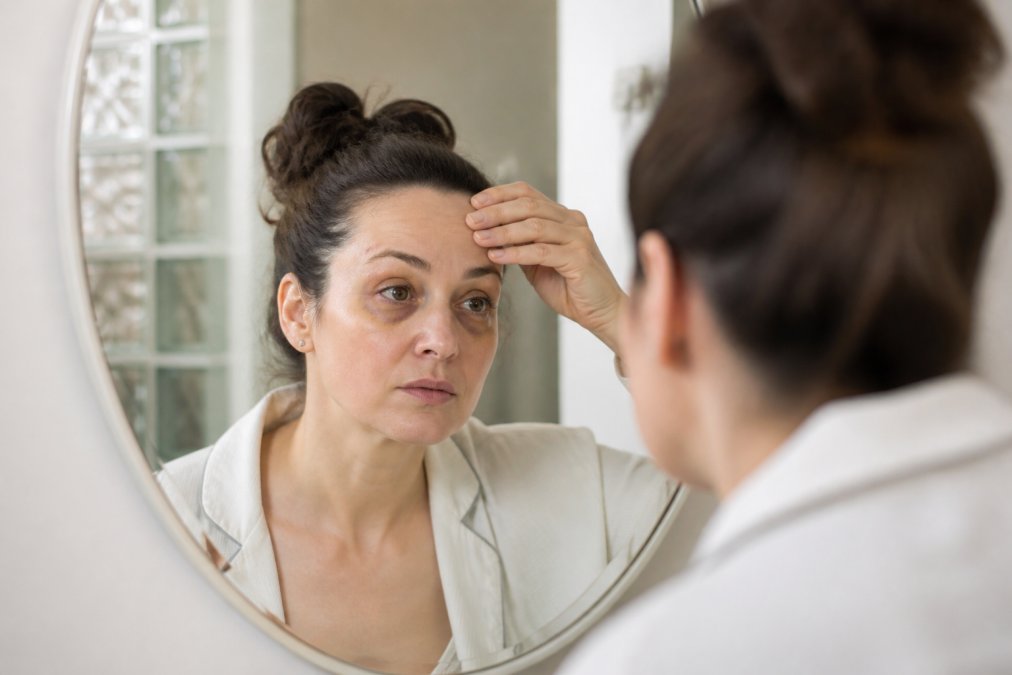
The first two weeks represent the most dramatic phase of visible change. Swelling peaks around day 3-5, and most people experience significant bruising around the eyes and forehead. This is normal, surgical trauma triggers an inflammatory response causing fluid accumulation.
During this phase, minimize swelling by sleeping with your head elevated on 2-3 pillows. Apply cold compresses for the first 48 hours (20 minutes on, 20 minutes off) to constrict blood vessels and reduce swelling. After 48 hours, switch to warm compresses to improve circulation. Most surgeons recommend taking 1-2 weeks off work depending on your job and comfort level with visible bruising. Avoid heavy lifting, intense exercise, and anything that raises your blood pressure.
Weeks 3-8: Progressive Improvement
By week 3, most bruising has faded enough to conceal with makeup, and swelling has reduced by roughly 50%. However, subtle swelling persists and your brow position will continue to settle as tissue adjusts to its new location.
Protect your results during this critical period by avoiding sun exposure on the surgical site. Wear a wide-brimmed hat and apply broad-spectrum sunscreen (SPF 30+) religiously. Avoid strenuous exercise until week 4-6 to prevent complications and excessive swelling. By week 8, approximately 80% of swelling has resolved, and you'll see your true aesthetic outcome emerging.
Factors Affecting Brow Lift Duration and Results Stability
Multiple interconnected factors determine how long your brow lift results will last and how stable they remain over time.
Skin Elasticity and Tissue Quality
Your skin's elasticity, its ability to bounce back and maintain tension, is perhaps the single most important factor determining result longevity. Someone with excellent skin elasticity at age 35 will likely see results last 12-15 years, while someone with reduced elasticity at age 55 might see results last 8-10 years.
Sun damage significantly compromises skin elasticity by breaking down collagen through UV exposure. People with heavy sun exposure history often have reduced elasticity, meaning their brow lift results won't last as long. Smoking also accelerates collagen degradation and reduces skin elasticity. If you're considering a brow lift and you smoke, quitting before surgery will improve both your healing and result longevity.
Age, Gravity, and Genetic Factors
Age at surgery influences how long results last. Younger patients (under 40) typically see results last 12-15 years because their remaining collagen production helps maintain the lifted position. Older patients (over 50) might see results last 8-12 years as gravity continues its work and collagen production remains lower.
Gravity is a constant force working against your surgical results. A well-executed brow lift resists this force effectively for years, but eventually gravity wins. Genetic factors determine your baseline rate of aging and how your tissue responds to gravity. Understanding your genetic predisposition helps set realistic expectations about when you might consider revision surgery.
Surgical Technique and Periosteal Fixation
The surgeon's technique directly impacts longevity. An endoscopic brow lift with proper periosteal fixation creates more durable results than techniques relying solely on skin tightening. The vectors of the lift, the direction and angle, also matter. A surgeon who creates superior and lateral vectors typically achieves more natural-looking results that age well.
Choosing an experienced, board-certified surgeon who specializes in facial rejuvenation significantly improves your chances of achieving long-lasting results. Surgical skill directly translates to better tissue handling, more precise positioning, and superior fixation.
Skincare Routine After Brow Lift for Extended Results
Your post-procedure skincare routine is as important as the surgery itself for maintaining long-lasting results. The right routine supports collagen production, protects healing tissue, and slows the natural aging process.
Sun Protection and Collagen Maintenance
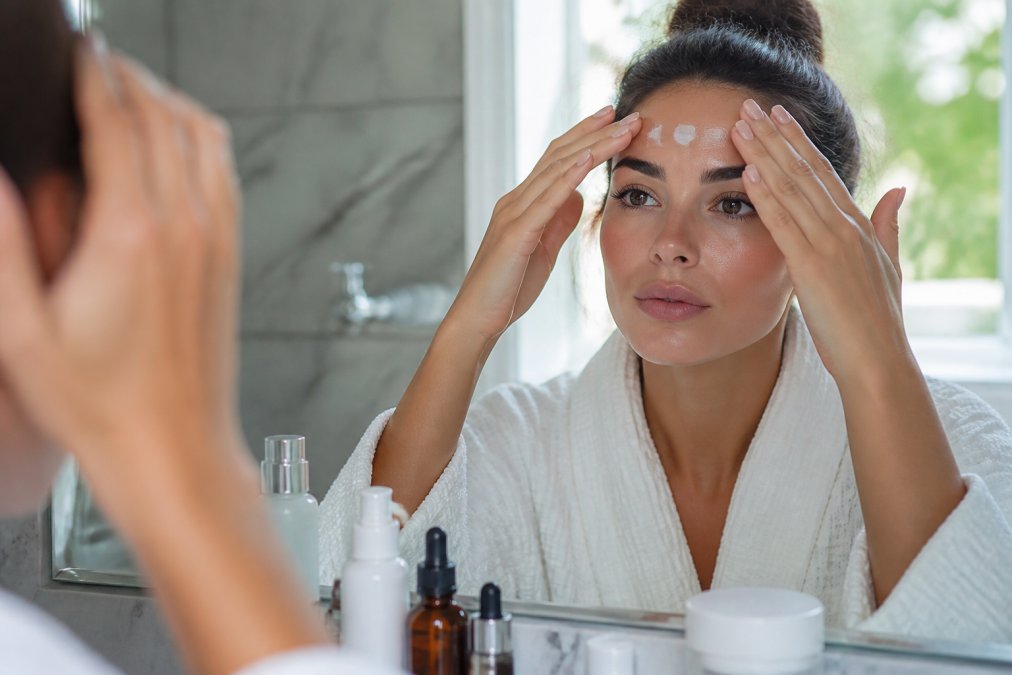
Sun protection is non-negotiable if you want your brow lift results to last. UV exposure damages collagen and elastin, the proteins that support your lifted brow position. Use broad-spectrum sunscreen with SPF 30 or higher daily, applied generously to your forehead and brow area. Reapply every 2 hours if you're outdoors.
Collagen production naturally declines with age, but you can support it through targeted skincare. Retinoids (vitamin A derivatives) stimulate collagen synthesis and improve skin texture. Start with a low concentration (0.25-0.5%) four weeks after surgery, gradually increasing as your skin adapts. Vitamin C serums also support collagen production and provide antioxidant protection.
Lifestyle Habits That Protect Your Investment
Smoking accelerates aging and collagen breakdown. Quitting will measurably extend your brow lift result longevity. The same applies to excessive alcohol consumption, which dehydrates skin and impairs collagen synthesis.
Sleep quality directly impacts skin health and healing. Poor sleep increases cortisol (a stress hormone that breaks down collagen) and reduces growth hormone (which supports tissue repair). Aim for 7-9 hours of quality sleep nightly, particularly after surgery. Sleep on your back to avoid pressure on your healing brow tissue.
Hydration supports collagen production and skin elasticity. Drink adequate water daily and use a hydrating moisturizer appropriate for your skin type. Chronic stress elevates cortisol, which breaks down collagen and accelerates aging. Regular exercise, meditation, or other stress-reduction practices support both your overall health and result longevity.
Maintaining Long-Lasting Brow Lift Results Over Time
Maintaining your results requires a proactive approach combining preventive skincare, strategic supplementary treatments, and realistic planning for potential revision surgery.
Complementary Treatments and Touch-Ups
Non-surgical treatments can extend the appearance of your brow lift results between revision surgeries. Muscle relaxants can subtly enhance the lift by relaxing muscles that pull the brow downward, effectively "refreshing" the appearance without additional surgery. Dermal fillers strategically placed in the brow area can restore volume lost to aging and enhance the overall lifted appearance, particularly useful in years 5-10 after surgery.
Laser treatments and chemical peels can improve skin texture and stimulate collagen production in the forehead and brow area, supporting result longevity by maintaining skin quality and elasticity.
When to Consider Revision Surgery or Secondary Procedures
Most people who have a brow lift don't need revision surgery for 10-15 years, depending on individual factors. However, if you're unhappy with the degree of lift, asymmetry, or if you develop new brow descent in areas not addressed in the original surgery, revision surgery might be appropriate.
Secondary procedures often address different aging concerns that have emerged since the original surgery. The decision to pursue revision surgery should be made in consultation with your surgeon, ideally someone experienced in revision cases. When performed by an experienced surgeon, revision procedures can deliver excellent results.
Maintaining long-lasting brow lift results requires commitment to sun protection, smart skincare choices, and realistic expectations about aging. The investment in a surgical brow lift pays dividends for years, working best when combined with preventive care and a willingness to address subtle changes through non-surgical maintenance treatments. Understanding the factors that influence longevity, from surgical technique to your own lifestyle habits, helps you make informed decisions and protect your aesthetic investment for the long term. Kyro Beauty's professional-grade brow kits offer complementary solutions for maintaining your appearance between professional treatments, providing convenient, salon-quality options that support your post-procedure skincare routine and help extend the visible results of your investment.
Frequently Asked Questions
How long do long-lasting brow lift results actually last?
Surgical brow lifts typically last 5-10 years, depending on skin elasticity, tissue quality, and surgical technique used. Non-surgical options like injectables last 3-4 months. The longevity depends heavily on your age, genetics, and how well you maintain skin health through sun protection and proper skincare. Endoscopic brow lifts offer superior longevity due to periosteal fixation, which anchors the tissue more securely than traditional methods.
What factors affect how long a brow lift lasts?
Factors affecting brow lift duration include skin elasticity, age at the time of procedure, genetic predisposition to tissue laxity, sun exposure, smoking habits, and the specific surgical technique used. Gravity and natural facial aging continue after surgery, so lifestyle choices, particularly sun protection and avoiding smoking, significantly impact how long results remain visible. Patient anatomy and the surgeon's skill in creating proper tissue repositioning also play critical roles.
What should my skincare routine be after a brow lift?
After brow lift recovery, prioritise broad-spectrum SPF 30+ daily to prevent sun damage and collagen breakdown. Use gentle, hydrating cleansers and avoid harsh products for at least 4-6 weeks post-surgery. Incorporate retinoids and vitamin C serums once fully healed to support collagen production. Avoid smoking and excessive sun exposure, as both accelerate skin aging and reduce result longevity. Consistent hydration and moisturising help maintain skin elasticity, which is essential for preserving the lift.
Can I have a non-surgical brow lift if I want long-lasting results?
Non-surgical brow lifts using muscle relaxants and cosmetic injectables provide subtle lift and natural-looking results but last only 3-4 months. If you prioritise longevity, surgical options, particularly endoscopic brow lifts, deliver 5-10 years of results. However, non-surgical treatments are ideal for testing the aesthetic before committing to surgery, and they require no downtime. Many people combine non-surgical maintenance treatments with previous surgical results to extend their investment.
This article was written using GrandRanker
