
Brow Lamination vs Soap Brows: Which One Is Better?

Table of Contents
- Brow Lamination vs Soap Brows: The Key Differences at a Glance
- What Is Brow Lamination and What Does It Do?
- What Are Soap Brows? A Look at the Temporary Trend
- How to Do Soap Brows at Home: A Step-by-Step Guide
- Brow Lamination Duration: How Long Does Each Method Last?
- Brow Lamination Aftercare Tips for Long-Lasting Results
- Which Brow Method Is Right for Your Hair Type and Lifestyle?
- Conclusion: Making the Final Call Between Brow Lamination and Soap Brows
- Frequently Asked Questions
Last Updated: September 9, 2026
Brow Lamination vs Soap Brows: The Key Differences at a Glance
The core difference between brow lamination and soap brows comes down to commitment: lamination is a semi-permanent chemical treatment that restructures your hair for weeks, while soap brows are a temporary styling technique you recreate daily. If you want to wake up with perfectly brushed-up brows and skip your morning routine, the brow lamination vs soap brows comparison points to lamination. If you prefer flexibility and zero chemical processing, soap brows win.
This guide from Kyro Beauty breaks down the process, duration, aftercare, and cost of each method, plus which technique suits different hair textures and lifestyles.
What Is Brow Lamination and What Does It Do?
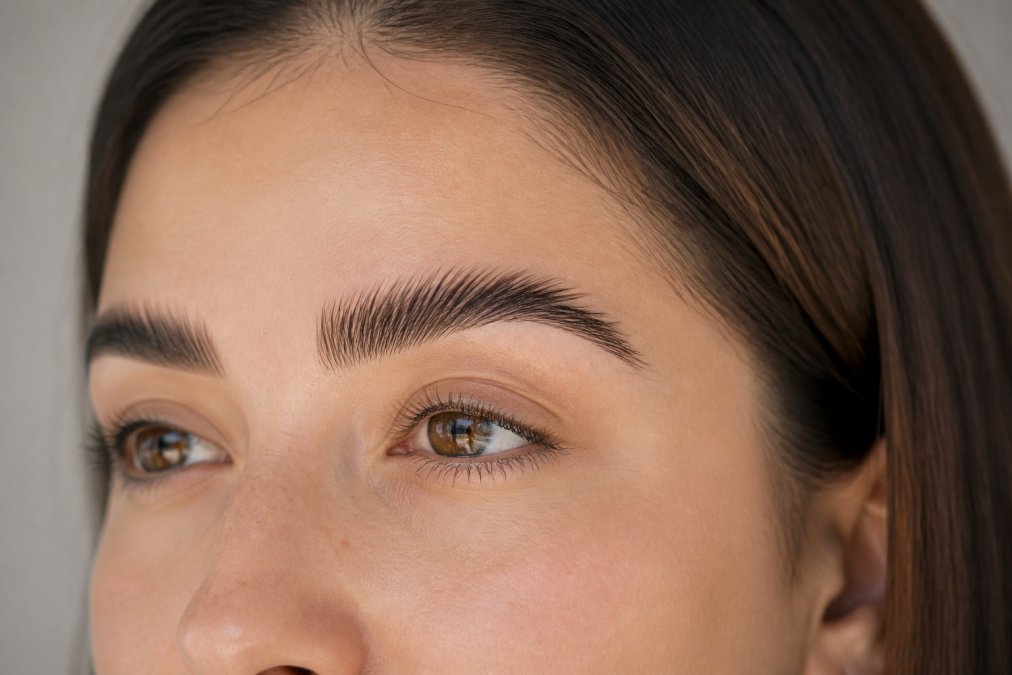
Brow lamination is a professional chemical treatment that restructures the internal bonds of each brow hair to hold a brushed-up, lifted position. The process is adapted from the same chemistry used in perms: a waving or lifting lotion (typically containing ammonium thioglycolate or similar alkaline agents) breaks the disulfide bonds in the hair's keratin structure (PubMed). The hairs are then brushed into the desired shape, and a neutralizer, often hydrogen peroxide-based, is applied to reform those bonds in the new position. The result is a semi-permanent set that lasts until the natural growth cycle pushes the treated hair out, typically 6 to 8 weeks.
Because lamination relies on alkaline chemicals to open the hair cuticle, it is not suitable for everyone. The lifting solution can cause contact dermatitis or chemical burns on sensitive skin, and the fumes irritate eyes and respiratory passages. In the Netherlands, professional brow lamination falls under the Cosmetics Regulation (EC) No 1223/2009, requiring any salon product to be safety-assessed before market placement (europa.eu). A reputable salon should always perform a patch test 24 to 48 hours before the full treatment, a regulatory expectation for products containing thioglycolic acid and its salts (europa.eu).
Most practitioners refuse to laminate brows with eczema, psoriasis, or recent chemical damage from tints or perms. The treatment is also not recommended for very fine, fragile, or over-plucked brows, as the chemical process can cause breakage. Clients with a history of allergic reactions to hair dye or perms are steered toward soap brows or a gentler tint.
Lamination works best on coarse, unruly hairs that resist styling, the chemical process forces them into an upward sweep. For straight or fine brows, the lift can look dramatic but may appear sparse without enough hair volume. If you have light or sparse brows, ask about the tint's ingredients and whether a patch test covers both products.
For sensitive skin, a lamination kit with lower active ingredient concentrations is gentler, but the chemical mechanism is the same and the margin for error at home is thinner. If using a DIY kit, check the thioglycolic acid concentration and patch test on your inner arm 48 hours before touching your brows.
What Are Soap Brows? A Look at the Temporary Trend
Soap brows are a styling technique that uses glycerin soap or a clear brow gel to brush brow hairs upward and hold them in a fluffy, textured position. The method gained popularity for creating that brushed-up, feathered aesthetic without any chemical solution or long-term commitment.
You wet a spoolie brush, rub it across a bar of glycerin soap, and comb your brows upward. The soap dries with a strong hold until you wash it off with a facial cleanser. Many brands sell dedicated brow soaps and laminating gels that mimic the effect with less white residue.
Because soap brows rely on a temporary hold, you can restyle or remove them any time. That makes the method cost-effective and beginner-friendly, but it does mean reapplying daily if you want the look every day.
How to Do Soap Brows at Home: A Step-by-Step Guide
Creating soap brows at home takes about five minutes once you have the right products. You need a high-glycerin soap or a dedicated brow soap, a clean spoolie brush, and a setting spray if you want extra longevity.
- Start with clean, dry brows, free of makeup or oils.
- Dampen your spoolie brush slightly with water.
- Swipe the brush across the soap surface to pick up a small amount of product.
- Brush your brow hairs upward and slightly outward, following their natural growth direction.
- Press the hairs into place with your fingertip to set the shape.
- Finish with a light mist of setting spray for a stronger hold.
The most common mistake is using too much product, which leaves a visible white residue. Start with less soap than you think you need and build up gradually.
Brow Lamination Duration: How Long Does Each Method Last?
Brow lamination duration is the deciding factor for most people: lamination lasts 6 to 8 weeks, while soap brows last until you wash your face. That single difference changes everything about your maintenance routine.
With lamination, you commit to a fixed shape for up to two months, with the look gradually relaxing as new hair grows in. With soap brows, the look is temporary, so you can experiment with shapes, switch to a natural style for events, or skip brows on low-effort days.
The table below summarizes how the key factors stack up.
| Factor | Brow Lamination | Soap Brows |
|---|---|---|
| Duration | 6 to 8 weeks | Until washed off |
| Process | Chemical treatment | Styling with soap or gel |
| Daily routine | None needed | Reapply daily |
| Cost per use | Higher upfront, low upkeep | Very low per application |
| Best for | Low-maintenance routines | Flexible, daily styling |
Brow Lamination Aftercare Tips for Long-Lasting Results
Brow lamination aftercare determines how long your results actually last. The first 24 to 48 hours after treatment are critical because your hair bonds are still settling into their new shape.
Keep your brows completely dry for the first 24 hours. Avoid steam, sweat, swimming, and heavy cleansing around the brow area. Water contact too early can relax the chemical solution and shorten your results. After that window, you can resume normal washing but should still avoid oil-based cleansers directly on the brows, as oils can break down the treatment faster.
Hydration helps extend results. Applying a small amount of brow oil or nourishing serum daily keeps the treated hairs flexible and less prone to snapping. Many lamination kits include a nourishing lotion for exactly this purpose, so use it consistently rather than storing it away.
Which Brow Method Is Right for Your Hair Type and Lifestyle?
The choice between lamination and soap brows is not just about lifestyle, it is about what your brow hairs actually do when you try to style them. The table below gives a texture-based starting point, but the real test is how each method behaves when things go wrong.
| Brow Hair Texture | Brow Lamination | Soap Brows |
|---|---|---|
| Coarse, curly, unruly | Excellent, the chemical process forces hairs into place | Poor, hairs resist the hold and often droop within an hour |
| Fine, straight | Good, creates a lifted look, but may appear sparse without tinting | Excellent, light hairs respond well to soap's grip |
| Sparse, over-plucked | Risky, chemical damage can cause breakage on fragile hairs | Good, soap adds texture and the illusion of density |
| Thick, dense | Excellent, tames volume into a structured shape | Good, but may require more product and frequent touch-ups |
This texture-based guidance is the first step, but the more useful question, and the one most guides never answer, is what to do when the result goes wrong.
Fixing a bad lamination. If your lamination comes out too flat, too curly, or with an unnatural bend, do not panic and do not attempt to wash it out. The chemical bonds have already reset; water will not undo them. In the meantime, you can disguise a poor result by using a tinted brow gel to smooth the direction of the hairs and add visual weight. If the issue is over-processing, hair that looks singed, brittle, or is snapping, stop all styling and apply a nourishing brow oil daily until the damaged hairs grow out. The treated hair will not recover; you are managing the regrowth period.
Fixing bad soap brows. Soap brow failures are far easier to correct, which is part of the method's appeal. If you see white residue, flaking, or a stiff, unnatural look, you have used too much product. Wipe the area with a damp cotton pad and start again with a lighter application. If the brows will not hold their shape, the soap may be too dry or your hairs are naturally resistant to the hold, switch to a glycerin-based brow gel with a stronger polymer content, or apply a setting spray immediately after brushing to lock the shape. A common mistake is applying soap to damp brows, which dilutes the product and creates a gummy texture; always start with completely dry, clean hairs.
For those with sensitive skin, the choice is clearer. Lamination involves alkaline chemicals that can trigger contact dermatitis, especially around the thin skin of the brow bone. Soap brows, by contrast, rely on glycerin, a humectant that most skin types tolerate well. However, not all soaps are equal. Some dedicated brow soaps contain fragrance or essential oils that can irritate reactive skin. If you have a history of eczema or allergies, choose an unscented, fragrance-free glycerin soap and test it on your inner arm before applying it to your face.
If you swim regularly, sweat heavily, or live in a humid climate, lamination holds up better than soap brows, which lose their grip with moisture. If you change your brow shape often or want to avoid chemical processing, soap brows offer flexibility lamination cannot. The decision is about which failure mode you can live with: a bad soap brow day costs five minutes; a bad lamination costs weeks.
Conclusion: Making the Final Call Between Brow Lamination and Soap Brows
Choosing between brow lamination and soap brows comes down to how much time and commitment you want to invest. Lamination delivers weeks of effortless, brushed-up brows but requires chemical processing and careful aftercare. Soap brows offer total flexibility and a natural approach, but demand daily reapplication.
The deciding question: do you want to style your brows every morning, or wake up with them done? If the latter, lamination is worth the effort. If you value versatility, soap brows give you the look without the long-term commitment.
Getting salon-quality brow results at home is easier than you might think. Kyro Beauty's all-in-one kits are designed for super-fast application that is gentle on sensitive eyes and shower-proof once set. With 2000+ five-star reviews from customers who made the switch, you can achieve the lifted, defined look you want without booking a salon visit.
Frequently Asked Questions
What is the main difference between brow lamination and soap brows?
Brow lamination is a chemical treatment that restructures the internal bonds of your brow hairs to hold them in a set, lifted position for 6 to 8 weeks. Soap brows are a daily styling technique that uses glycerin soap to brush hairs up into a fluffy shape for a temporary hold, lasting only until you wash your face. The main difference is permanence: lamination offers semi-permanent results, while soap brows require daily application.
Is brow lamination damaging to eyebrow hair?
Brow lamination uses chemical solutions to break and reset internal hair bonds, so damage is possible if the treatment is over-processed or applied too frequently. Following brow lamination aftercare tips, such as keeping brows dry for 24 hours and using nourishing oils, helps maintain brow health. Professional-grade kits include setting and nourishing lotions to minimize harm. Always do a patch test before application to rule out skin irritation.
Which brow method is better for thin eyebrows?
Brow lamination can create a fuller appearance and a defined arch that lasts for weeks. Soap brows can add volume and a brushed-up look, but they rely on the hair you already have and need daily restyling. If you want long-term results, lamination can provide a consistent, dense look.
Can you achieve a soap brow look with brow lamination?
Yes, by using a spoolie brush to position hairs upward without heavy side-sweeping, the chemical solution sets a brushed-up style that mimics soap brows. The result is a semi-permanent fluffy look that does not need daily styling, unlike traditional soap brows.
Are soap brows better than brow gel for a natural look?
Soap brows generally offer a stronger hold and a fluffier, more textured matte finish than most brow gels, which can look shiny or stiff. Glycerin soap dries down without flaking and keeps hairs brushed up for a natural, full appearance. However, soap brows can leave a white residue if you use too much product, so start with a small amount and build up.
Getting your brows right is about matching the method to your hair, your skin, and your schedule. Whether you choose the long-lasting lift of lamination or the daily flexibility of soap brows, the best technique is the one you'll actually maintain. Shop Kyro Beauty's brow kits and bring the salon experience home.
