


Choose the Right Lash Treatment for Your Budget

Table of Contents
- Understanding Your Lash Treatment Options
- Cost of Eyelash Extensions vs Lash Lift: What You'll Actually Spend
- DIY Lash Lifting Kits vs Salon Treatments: Finding Your Best Fit
- Matching Lash Styles to Your Eye Shape and Budget
- How to Maintain Lash Extensions at Home Without Extra Costs
- Budget Red Flags: What to Avoid When Choosing Lash Treatments
- Long-Term Cost Analysis: Which Lash Treatment Saves You Money
- Frequently Asked Questions
Last Updated: September 24, 2026
Understanding Your Lash Treatment Options
Choosing the right lash treatment for your lash treatment budget means weighing upfront cost against long-term maintenance and results. Understanding what each treatment delivers versus what it costs over time is the difference between a smart investment and buyer's remorse.
There are essentially four main categories: eyelash extensions, lash lifts, lash tints, and DIY alternatives like press-on lashes. Each sits at a different price point and requires different maintenance commitments. According to Lash Affair's 2026 pricing guide, a full set of professional eyelash extensions typically costs between €150 and €500+ depending on the stylist and style chosen. A lash lift, which curls your natural lashes semi-permanently, runs €75 to €150. Standalone tinting services are the most affordable entry point at €25 to €50.
Cost of Eyelash Extensions vs Lash Lift: What You'll Actually Spend
A classic full set of eyelash extensions typically costs €150 to €200 for your first appointment. But that's where the commitment begins. According to Lash Affair's maintenance guide, lash extension fill appointments cost €65 and up and are required every 2 to 3 weeks. Miss a fill and your lashes start shedding unevenly, creating gaps that look worse than no extensions at all.
Do the math: €150 initial investment plus €65 every three weeks means you're spending roughly €300-€350 per month to maintain extensions. Over a year, that's €3,600 to €4,200 minimum.
A lash lift chemically curls your natural lashes and lasts 6-8 weeks. At €75-€150 per session, that's €1,800-€3,600 annually.
| Treatment | Initial Cost | Maintenance Cost | Frequency | Annual Cost (Approx.) |
|---|---|---|---|---|
| Lash Extensions | €150-€200 | €65+ per fill | Every 2-3 weeks | €3,600-€4,200 |
| Lash Lift | €75-€150 | €75-€150 per session | Every 6-8 weeks | €1,800-€3,600 |
| Lash Tint | €25-€50 | €25-€50 per session | Every 4-6 weeks | €300-€650 |
DIY Lash Lifting Kits vs Salon Treatments: Finding Your Best Fit
At-home lash lifting kits cost significantly less than salon visits, but cheaper doesn't mean risk-free. Understanding failure modes helps you decide.
How Professional Lash Lifts Work (and Why That Matters)
A professional lash lift involves perming solution, precise timing (8-12 minutes), and neutralization. The technician assesses your lash characteristics and monitors for over-processing, adjusting as needed. This expertise costs €75-€150.
The Specific Risks of At-Home Kits
DIY kits carry specific risks: over-processing (even 2-3 minutes extra causes permanent damage), uneven application (patchy results), incorrect rod size, allergic reactions (harsher formulations), and neutralization failure (solution continues working after rinsing).
Cost Reality: DIY vs. Professional Over 12 Months
Professional lash lifts cost €450-€1,200 annually. At-home kits cost €150-€300 yearly, but accounting for one failed attempt (€20-€40) and a corrective salon visit (€75-€150) raises true DIY costs to €245-€490 annually, narrowing the savings.
Press-On Lashes: The Third Path
Press-on lashes require no chemical treatment or adhesive and cost €60-€140 annually. They're the lowest-cost option but require daily application/removal and won't match the natural integration of a professional lash lift. They're ideal for flexibility and minimal commitment.
The Decision Framework
Choose a professional lash lift if:
- You have sensitive eyes or a history of allergic reactions
- You want results that look completely natural and integrated with your lashes
- You value consistency and don't want to troubleshoot failed applications
- You can afford €450-€1,200 annually
Choose an at-home kit if:
- You have steady hands and comfort following detailed instructions
- You've successfully used other at-home beauty treatments (hair dye, for example)
- You're willing to accept imperfect results and potential need for correction
- You want to save €150-€300 per year and can absorb occasional failed attempts
- You have naturally healthy lashes with no history of breakage or sensitivity
Choose press-on lashes if:
- You want the lowest cost option (€60-€140 annually)
- You prefer flexibility and no chemical treatment
- You're willing to spend 2-3 minutes daily on application
- You want to test lash aesthetics before committing to professional treatments Mastering these temporary applications provides a practical baseline for assessing the value of premium treatments, much like determining whether high-end salon services truly justify their costs.
Matching Lash Styles to Your Eye Shape and Budget
Not all lash enhancements suit all eye shapes, and this matters more than most people realize. A lash style that looks stunning on someone with almond-shaped eyes might overwhelm round eyes or fail to open up hooded eyes.
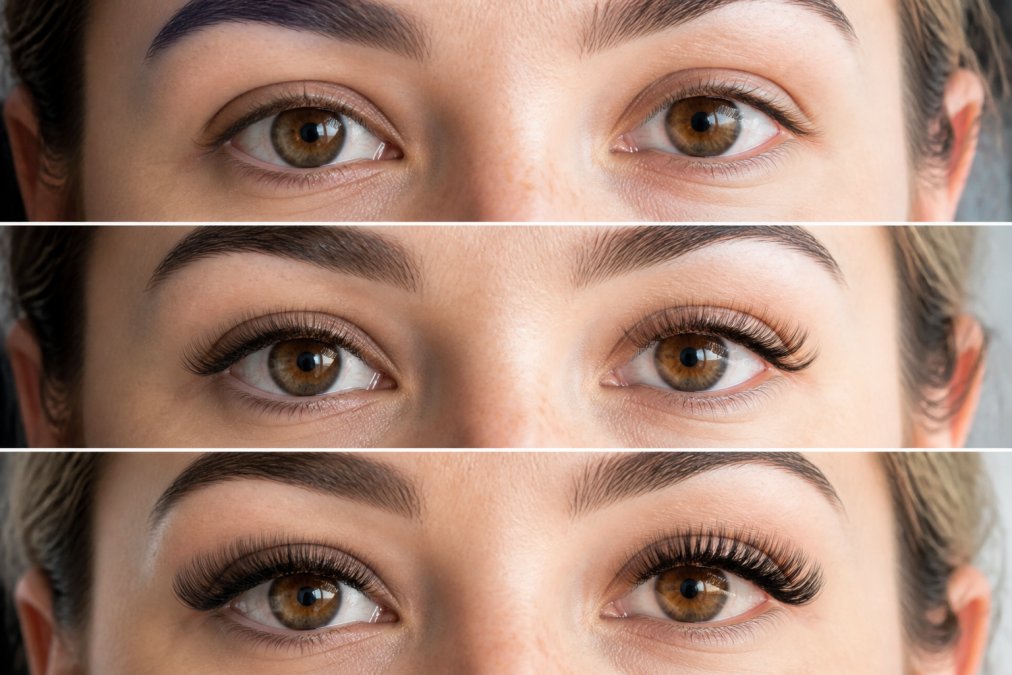
Eye shape determines which treatment works best: almond eyes handle bold lashes; round eyes need horizontal elongation; hooded eyes need height and curl; deep-set eyes need fuller volume. Extensions allow customization but cost more. Lash lifts work with your natural lashes, so results depend on starting material. Tinting alone is cheapest and ideal if you have decent length and density. Consult a professional to assess your natural lashes and eye shape.
How to Maintain Lash Extensions at Home Without Extra Costs
Avoid oil-based products (they break down adhesive), use oil-free cleanser, and brush daily with a spoolie. Avoid water for 24-48 hours after application. Don't skip fills, missed appointments cause uneven shedding. Lash serums (€15-€30) strengthen natural lashes and extend extension life.
Budget Red Flags: What to Avoid When Choosing Lash Treatments
Certain choices signal you're about to overspend, damage your lashes, or worse, risk eye health. This section details what 'cheap' actually looks like and how to spot it before booking.
Red Flag #1: Pricing That's Significantly Below Market Rate
Lash extensions under €100 often signal low-quality adhesive (weak bonding, higher formaldehyde), cheap fibers (stiff, plasticky), rushed application (skipped isolation, premature shedding), or poor aftercare. Realistic pricing is €150-€250. Ask why if you see €80-€100, and request before-and-after photos, blurry, filtered, or clumpy results are red flags.
Red Flag #2: Ignoring Your Lash Sensitivity History
If you've had reactions to lash glue or eye makeup, extensions carry risk, allergies often worsen with repeated exposure. Ask about hypoallergenic adhesives or lower-formaldehyde options. If a technician dismisses concerns, that's a red flag. For sensitive eyes, consider lash lifts (no adhesive), tints (water-based), or glue-free press-ons.
Red Flag #3: Technician Pressure to Upsell Volume or Length Beyond Your Natural Lashes
Classic or hybrid styles suit most lashes. Volume lashes require strong natural lashes and more frequent fills. If a technician recommends volume for fine or sparse lashes, they're upselling, volume will shed unevenly within 1-2 weeks. A reputable technician recommends classic/hybrid for fine lashes and volume only for naturally thick, strong lashes.
Red Flag #4: Cheap At-Home Kits Without Ingredient Transparency
Budget lash lift kits (under €15) often use harsh formulations to cut costs.
- High peroxide concentration: Some cheap kits use stronger peroxide solutions to reduce processing time. This speeds up the curl but increases damage risk. Overprocessed lashes become brittle and break easily.
- Lack of conditioning agents: Professional-grade kits include conditioning serums to protect lashes during processing. Budget kits often skip this, leaving lashes dry and damaged.
- No neutralizer or weak neutralizer: The neutralizing step stops the chemical process. If the neutralizer is weak or absent, the perming solution continues working even after rinsing, over-processing your lashes.
- Unclear ingredient lists: If a kit doesn't clearly list ingredients or safety information, avoid it. Legitimate beauty products provide full transparency.
Before booking, verify:
- Certification: Ask if the technician is certified in lash extensions or lash lifts. Certification requires training in safety, hygiene, and technique. It's not a legal requirement in all regions, but it's a strong indicator of professionalism.
- Sterilization practices: Tools should be sterilized between clients. Ask how they sterilize applicators, tweezers, and lash rods. Autoclaving (high-pressure steam sterilization) is the gold standard. If they say "I wash them," that's not sufficient.
- Workspace cleanliness: The treatment area should be clean, well-lit, and organized. If you arrive and the space looks cluttered or unsanitary, leave.
- Patch testing: A reputable technician will offer a patch test before your first appointment, applying a small amount of adhesive to check for allergic reactions. If they skip this, that's a red flag.
- Aftercare instructions: They should provide written aftercare instructions and be available to answer questions if problems arise.
Red Flag #6: No Refund or Correction Policy
Long-Term Cost Analysis: Which Lash Treatment Saves You Money
When you map out 12 months of spending, the picture becomes clear.
Frequently Asked Questions
How do I know which lash style suits my eye shape?
Your eye shape determines which lash style flatters you most. Almond-shaped eyes suit most styles; round eyes benefit from longer lengths to add definition; hooded eyes need volume at the lash base; and deep-set eyes work well with dramatic curl patterns. A professional lash stylist will assess your distinctive eye shape and skin tone during consultation to recommend the best fit. If you're using DIY options, start with classic sets in natural lengths and adjust based on how they frame your eyes.
What are the most cost-effective lash enhancement methods?
Press-on lashes and at-home lash lifting kits offer the lowest ongoing costs, you pay once and reuse them for months. Lash tints (typically €25-€50) provide subtle enhancement with minimal maintenance. Lash lifts (€75-€150) last 6-8 weeks and require no refills. Extensions are pricier upfront (€150-€200 for a full set) and need refills every 2-3 weeks (€65+), making them expensive long-term. For budget-conscious consumers, hybrid routines combining DIY maintenance with occasional professional touch-ups balance cost and results.
How long do different lash treatments typically last?
Lash extensions last 4-6 weeks with proper care before needing refills; your natural lash cycle sheds extensions gradually. Lash lifts hold their curl for 6-8 weeks as your natural lashes grow out. Lash tints fade over 4-6 weeks as hair naturally sheds. Press-on lashes last months with reuse if stored correctly. Natural lash growth cycles typically complete every 4-6 weeks, which is why maintenance schedules align with this timeline. Understanding these cycles helps you budget refill appointments and plan your beauty routine.
Is it safer to use DIY lash kits or visit a professional?
Professional application reduces risk of eye irritation, incorrect adhesive placement, or damage to natural lashes, technicians are trained in proper technique and hygiene. DIY kits work safely if you follow instructions carefully, use hypoallergenic products, and avoid rushing application. If you have sensitive eyes or past reactions to lash glue, professional application or glue-free press-on options are safer choices. Start with simpler DIY treatments like lash tints or press-ons before attempting lifting kits at home. Always patch-test products and stop if you experience irritation.
