
How Often Should You Get a Professional Lash Lift?

Table of Contents
- The 8-Week Rule: Why Your Lash Lift Schedule Matters
- Understanding the Natural Lash Growth Cycle
- How Long Does a Lash Lift Last?
- Signs of Over-Processed Lashes: When to Skip Your Next Appointment
- What Happens If You Get a Lash Lift Too Soon?
- Lash Lift Aftercare Tips to Extend Your Results
- Lash Health Recovery: How to Rebuild Strength Between Lifts
- Conclusion: Your Lash Lift Maintenance Schedule
- Frequently Asked Questions
Last Updated: September 8, 2026
A professional lash lift is a semi-permanent chemical treatment that reshapes your natural lashes to curl upward, creating the look of longer, fuller lashes without mascara or extensions. Most salons and beauty experts agree that you should wait about eight weeks between appointments, because this interval aligns with your lashes' natural renewal cycle. This guide from Kyro Beauty explains the science behind that timing, the warning signs that your lashes need a break, and how to keep results looking fresh between visits.
The single most common mistake people make is booking their next lash lift as soon as the curl starts to drop. That impatience leads to over-processing, which damages the lash structure and can cause breakage. Below, we'll cover the exact schedule to follow, what happens when you rush it, and the aftercare habits that protect both your lift and your natural lashes.
The 8-Week Rule: Why Your Lash Lift Schedule Matters
The eight-week interval is not an arbitrary salon policy. It reflects how quickly your eyelashes regenerate and how long the chemicals used in a lift remain effective on the hair shaft. A lash lift works by breaking and reforming the disulfide bonds inside each lash, which are the same protein bonds that give hair its strength and shape.
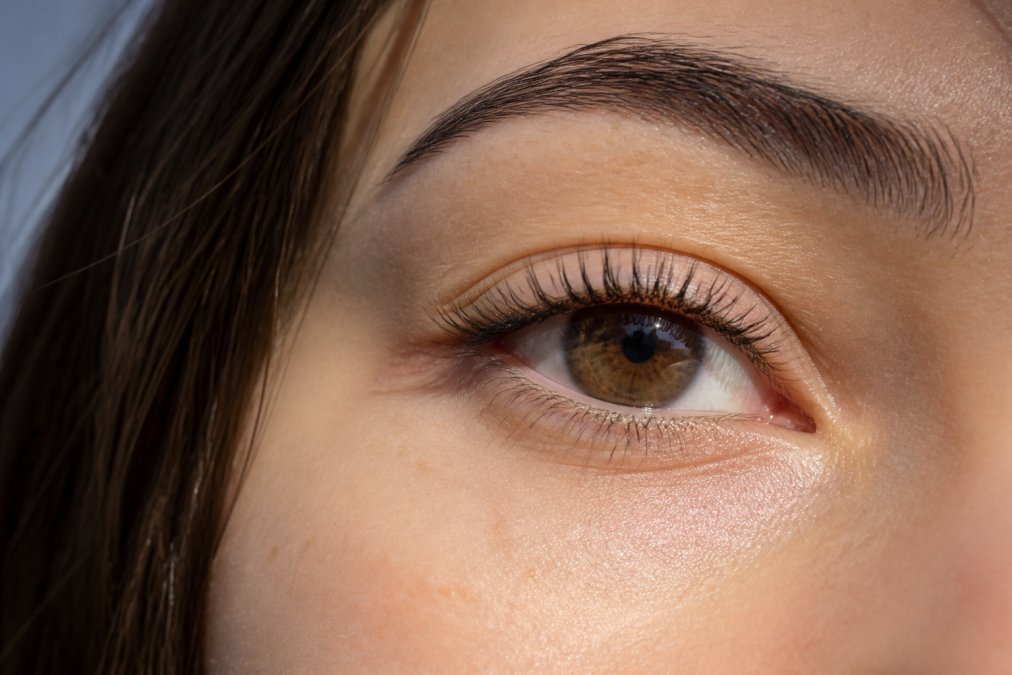
When you re-lift lashes that still contain residual chemicals from a previous treatment, you risk compounding the damage. The new growth at the root is healthy, but the older portion of the lash has already been processed once. Applying another chemical treatment to that same shaft weakens the cuticle and leads to dry, brittle lashes that snap off prematurely.
A common mistake is scheduling based on how the lift looks rather than the condition of your lashes. The curl may fade at week five or six, but your lashes are not ready for another round of chemicals until the majority of the treated hair has shed naturally. Trust the calendar over the mirror.
Understanding the Natural Lash Growth Cycle
Your eyelashes follow a predictable growth pattern called the natural lash growth cycle, and understanding its exact timing explains why the eight-week interval is not a suggestion but a biological requirement. Each lash follicle cycles through three distinct phases independently of its neighbours, which is why you lose one to five lashes per day without ever developing bald patches.
The anagen phase is the active growth period, lasting between 30 and 45 days, during which the follicle produces a new hair at a rate of roughly 0.12 to 0.14 millimetres per day (peer-reviewed research). The catagen phase follows as a short transition period of about two to three weeks, during which the follicle shrinks and the hair stops growing. Finally, the telogen phase is the resting stage, lasting anywhere from four to nine weeks, before the lash sheds and the follicle begins a new anagen phase (PubMed).
The critical detail most guides skip is that the total lifespan of a single lash, from emergence to shedding, is typically 90 to 150 days (aao.org). That means when you receive a lash lift, the technician is processing a mixed population of lashes: some are only a few weeks old and will hold the curl for months, while others are already in their telogen phase and will shed within days or weeks. This is why the lift looks perfect immediately after the appointment but gradually becomes less uniform as the older lashes drop away.
By week six after your lift, most of the lashes that were in late anagen or catagen at the time of processing have shed. By week eight, the majority of the originally treated hairs are gone, replaced by fresh growth that has never been exposed to lifting chemicals. Booking before that point means your technician is applying a second chemical treatment to lashes that are still carrying the structural changes from the first, lashes that have already had their disulfide bonds broken and reformed once, and are now weaker at the cuticle level.
A common pattern among lash technicians is to see clients at week five or six asking for a touch-up because the curl has visibly dropped. The curl drops not because the treatment has failed but because the lashes that held it best have naturally shed. Re-processing that mixture creates an uneven result: the older lashes may over-curl or break, while the newer lashes may not yet be long enough to hold a consistent lift.
Your individual growth rate also shifts the ideal interval slightly. People with faster follicular turnover, often younger clients or those using growth serums, may find their lashes have fully cycled by week seven. Those with slower growth, including many clients over 40 or those with a history of lash damage, may need nine or even ten weeks. The eight-week rule is the safe average, but the condition of your lashes at the appointment matters more than the exact day on the calendar.
How Long Does a Lash Lift Last?
A lash lift typically lasts between six and eight weeks, with the exact duration depending on your natural lash growth rate and how well you maintain the treatment. The curl itself does not wash out or relax over time. What happens is that the treated lashes grow out and shed, gradually replaced by new lashes that grow straight.
Several factors influence lash lift longevity:
- Your natural lash growth cycle: faster growers shed treated lashes sooner
- The processing time used during your appointment
- Your aftercare habits in the first 48 hours after the lift
- Whether you use oil-based products around your eyes
The visible lift usually looks its best for the first four to five weeks. After that, you may notice the curl appears less dramatic as new, straight lashes mix with the lifted ones. This is normal and does not mean the treatment has failed. It simply means your lashes are cycling through their natural renewal.
What most guides miss is that the condition of your lashes before the lift matters more than the timing between lifts. Healthy, undamaged lashes hold a curl longer and tolerate chemical treatments better. If you use a lash serum or conditioning treatment between appointments, you can extend both the life of your lift and the health of your natural lashes.
Signs of Over-Processed Lashes: When to Skip Your Next Appointment
Over-processed lashes show clear physical signs, and recognizing them early prevents permanent damage. The most obvious indicator is lash breakage: lashes that snap off at the midpoint or appear noticeably shorter than usual. You may also notice lashes pointing in different directions or looking brittle and straw-like rather than soft and flexible.
Other signs of over-processed lashes include:
- Excessive shedding beyond your normal daily loss
- A rough or flaky texture when you run a finger across your lashes
- Redness or irritation along the lash line
- Lashes that feel stiff or look dull and lackluster
When your lashes show these symptoms, do not book a re-lifting session. Instead, focus on lash health recovery. Switch to a gentle cleanser around the eye area, apply a conditioning treatment formulated for lashes, and consider a lash serum to encourage healthy regrowth. The goal is to rebuild the lash structure before exposing it to chemicals again.
What Happens If You Get a Lash Lift Too Soon?
Getting a lash lift too soon does not simply waste money. It actively damages the eyelash structure by applying a chemical treatment to hair that has not fully recovered. The disulfide bonds in an over-processed lash are already weakened. A second treatment breaks those bonds further, and the lash loses its ability to hold a curl or even maintain its natural shape.
The most visible consequence is lash breakage at the base or midpoint. In severe cases, lashes can become so damaged that they shed before reaching their full length, leaving gaps along the lash line. This condition can take months to resolve, because you must wait for entirely new lashes to grow through the full cycle.
There is also a comfort consideration. Lashes that have been over-processed often feel dry and irritated, and the skin along the lash line may become sensitive. If you have sensitive eyes, the risk of irritation increases with each premature treatment.
If you are tempted to book early because your lift has dropped, try a different approach. Use a lash curler for the remaining weeks, apply a lengthening mascara, or switch to press-on lashes for events. These temporary fixes protect your natural lashes while you wait out the full cycle.
Lash Lift Aftercare Tips to Extend Your Results
The first 48 hours after a lash lift determine how long your results last. During this window, the disulfide bonds are still settling into their new shape, and moisture or pressure can disrupt the curl. Keep your lashes completely dry for the first 24 hours, and avoid steam, sweat, and heavy eye makeup for the full two days. brow enhancement options.
Beyond the first two days, the aftercare that actually extends your lift falls into a structured weekly protocol. Most guides stop at 'avoid oil' and 'don't rub,' but the difference between a lift that lasts six weeks and one that lasts eight can be influenced by how you condition the lash shaft between appointments.
Week 1: The Setting Period
For the first seven days, use only a foam or gel cleanser around the eye area, never an oil-based balm or cream cleanser. Oil breaks down the lift solution's bond at the cuticle level, causing the curl to relax prematurely. Avoid waterproof mascara entirely during this week; the rubbing required to remove it creates friction that can kink or snap the newly set curl.
Weeks 2-6: The Maintenance Window
Once the lift has fully set, introduce a conditioning step. A lash-specific conditioning serum containing panthenol (pro-vitamin B5), biotin, or hydrolysed keratin helps maintain the flexibility of the lash shaft. Apply it every evening along the lash line, focusing on the root rather than the tips. These ingredients can help support the lash shaft. A flexible lash may be less likely to snap when brushing or sleeping, and it can help maintain its curl shape longer.
Brush your lashes each morning with a clean spoolie, using a gentle upward sweeping motion. This redistributes the natural oils from the skin along the lash shaft, which keeps the cuticle smooth without the need for additional products.
Weeks 7-8: The Transition Period
As your lift begins to fade, resist the urge to book an early appointment. Instead, switch to a richer conditioning treatment, look for a serum containing castor oil or argan oil, which are heavier and provide more lubrication for lashes that are becoming brittle as they age. These oils are safe to use at this stage because the lift has fully set and the remaining curl is naturally relaxing. This is also the time to introduce a lash growth serum containing peptides or prostaglandin analogues (available over the counter in lower concentrations) to stimulate the follicles that are entering their next anagen phase.
A common mistake is applying lash growth serum only when you remember, rather than as a daily habit. Consistency matters more than the specific product. Consistency matters more than the specific product. Consistent use of a serum between lifts can contribute to visibly stronger, longer lashes. The follicles may respond to steady stimulation.
Finally, consider your sleeping position. Side and stomach sleepers may press their lashes against the pillow, which can gradually flatten the curl. A silk or satin pillowcase may reduce friction compared to cotton. If you cannot switch pillowcases, try sleeping on your back or using a contoured eye mask that keeps fabric off the lashes entirely.
This recovery protocol can help support lash health. Lashes that have been conditioned may tolerate the chemical processing of a new lift better than lashes that have been left untreated. This can contribute to a stronger curl, less breakage, and a healthier lash line over time.
Lash Health Recovery: How to Rebuild Strength Between Lifts
The weeks between lash lift appointments are not just a waiting period. They are your opportunity to rebuild lash strength so the next treatment is safe and effective. Lash health recovery starts with removing any lingering chemical residue and switching to a gentle, lash-friendly cleansing routine.
A practical recovery protocol includes three steps. First, cleanse your lashes daily with a mild, oil-free cleanser to remove debris without stripping moisture. Second, apply a conditioning treatment or lash serum every evening, massaging it into the lash line to stimulate the follicles. Third, give your lashes a break from heavy eye makeup at least a few days each week to reduce stress on the hair shaft.
The condition of your lashes varies with their texture and your natural growth rate. People with fine, straight lashes may notice their lift drops sooner and may benefit from being more diligent with conditioning. Those with coarser lashes may find their lift holds longer.
If you are considering at-home options between salon visits, professional-grade kits offer a middle ground. Kyro Beauty's lifting kits are designed for gentle application on sensitive eyes, with shower-proof formulas that hold through daily wear. For those who prefer not to wait out the full eight weeks, press-on lashes from the same range provide an instant lift without any chemical exposure, giving your natural lashes the recovery time they need.
Conclusion: Your Lash Lift Maintenance Schedule
A professional lash lift is a chemical treatment, and your lashes need time to recover between applications. The eight-week rule protects your natural lashes from over-processing, breakage, and long-term damage. Stick to this schedule, watch for the signs of over-processed lashes, and prioritize lash health between appointments.
The maintenance schedule that works best is simple: lift every eight weeks, condition daily, and use temporary options like press-on lashes for events that fall between treatments. This approach keeps your lashes healthy and your look consistent without the risk of permanent damage.
At Kyro Beauty, we understand the balance between beautiful results and lash health. Our professional-grade kits bring salon-quality lifts home with super-fast application that is gentle on sensitive eyes, so you can maintain your look on your own schedule. Explore our range and find the routine that keeps your lashes lifted, healthy, and strong.
Frequently Asked Questions
How often is it healthy to get a lash lift?
Most professionals recommend waiting 6 to 8 weeks between lash lift treatments. This interval aligns with your natural lash growth cycle, specifically the anagen phase, ensuring that the lashes being treated are new and healthy. Booking too early means re-processing lashes that still have the previous lift, which increases the risk of cuticle damage and breakage. Sticking to an 8-week schedule protects lash health while maintaining a consistent curl.
Are lash lifts damaging to eyelashes?
A lash lift is a chemical treatment that alters the disulfide bonds in your lashes to set a new curl shape. When performed correctly and spaced 8 weeks apart, it is considered safe and does not cause permanent damage. Problems arise from over-processing, which means lifting too frequently or leaving the solution on too long. This can lead to lash breakage and weakened strands. Following aftercare tips and respecting the maintenance schedule keeps your natural lashes healthy.
Can I do a lash lift 2 days in a row?
No, you should never do a lash lift 2 days in a row. Your lashes need time to recover from the chemical treatment that breaks and reforms their disulfide bonds. Lifting again immediately puts extreme stress on the eyelash structure, leading to over-processed, brittle lashes that may snap off. It also will not improve your results, as the first lift is already set. Wait the full 6 to 8 weeks to allow for the natural lash growth cycle.
How can I make my lash lift last longer?
Keep your lashes dry for the first 24 hours after treatment to allow the lift to set completely. Avoid oil-based makeup removers, as oils break down the lifting solution and reduce curl retention. Brush your lashes daily with a clean spoolie and use a lash serum to strengthen the hair. A conditioning treatment can also help. Following these lash lift aftercare tips helps your lift stay put for the full 6 to 8 weeks until your next appointment.
